
There’s an episode of the hit US comedy Community, about a small disfunctional community college and a band of seven student misfits, where a new student by the name of ‘Subway’ enrols.
The episode, like so many others, is full of laugh-out-loud gags – I won’t repeat any here, but the fact that I believe you’ve already guessed at the premise of several is a testament to one of the most disconcerting and increasingly prevalent trends in modern society – the concept of the ‘human brand’.
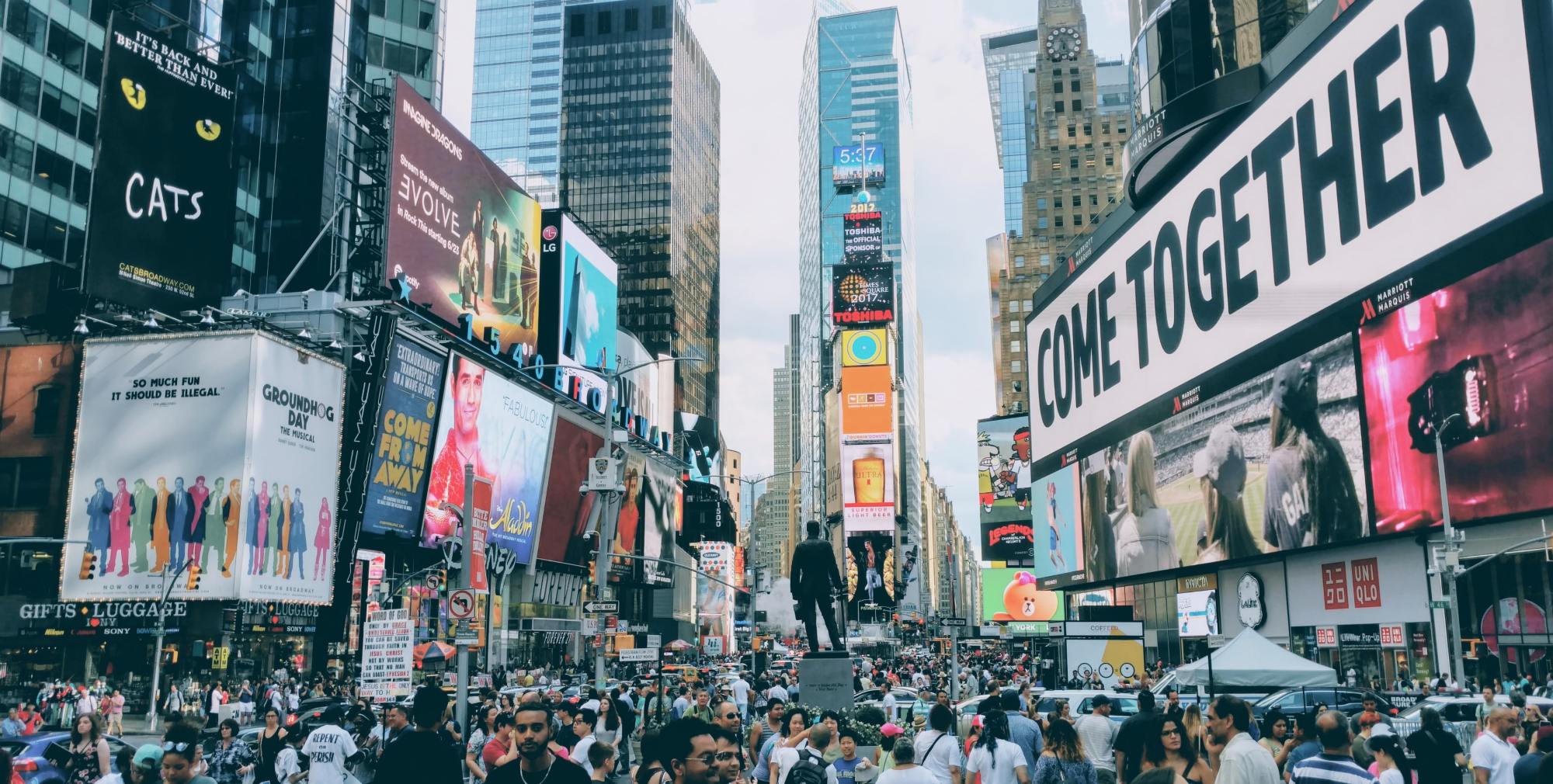
What is a ‘human brand’? Well, I’m not really basing that term off of any agreed upon lexicon – there’s probably an official term somewhere, but in essence what I’m referring to is the practice that brands engage in where they attempt to convey themselves as ‘one of us’ – either through some zippy marketing techniques like a sassy tweet or a nifty ad campaign, or by embracing altruistic causes that people often quite rightly point out fly in the face of their actual daily practices.
Examples of this are absolutely everywhere now. My first experience was with the official Twitter handle of popular US fast food chain Wendy’s, which has been run for a while now by a sassy, provocative marketing figure who frequently interacts with customers and dishes out witty retorts whenever the opportunity arises.
The result was a modest amount of Twitter virality – the account currently has 3.7 million followers, which translates into a huge amount of free advertising whenever they push new material.
Many other brands have adopted this practice as well – attempting to craft a personified online presence in order to convey the feeling that you, as a consumer, can relate to them, and feel like you’re interacting with more than just a shadowy cabal of silk-tie-clad executives when you purchase a new t-shirt, or frostie, or whatever the product happens to be. They want you to feel that the we-don’t-give-a-shit attitude with which they run their Twitter account is also how they run their business, so you can feel better about relying on their services.
I was wondering about the significance of this phenomenon, if there is any. I’m not sure that there is, but it does highlight something interesting – there seems to be an underlying recognition, maybe a giant, digital zeitgeist, that corporations and large monopolies have been changing our society now for decades, and we’re beginning to not only see the destruction it can cause – which has been visible for centuries – but we’re beginning to see that we don’t really have the power to change it.
Political forces and figures that run on promises of change and triage are stifled by the uncomfortable and entrenched power structures that stand in their way, and it’s depressing. I think brands have tapped into this general malaise, and they’ve seen that consumers just want large, faceless firms to act with the kind of humanity and integrity that we expect from individuals.
So this is the result. Not actual, meaningful change in practices and supply chains (to any significant degree) – but a rise in snappy pandering, with cheap, faux relatability that lets us identify with these brands on a human level without actually affecting the status quo or the bottom line.
Rob DenBleyker said it best in response to a tweet from Dude Wipes©, some dumb hygiene brand that attempted to interact with him on Twitter.
Send them to my ass.
 TJDempsey