It feels like every time I open up a new blog post, I feel compelled to begin by saying ‘gee, it’s been a while, hasn’t it?’
Well, it’s been a while, hasn’t it?
It’s currently August 2019, and I’ll just get straight down to it – through the inexperienced yet cynical eyes of this student, this world is at somewhat of a crossroads, in terms of its direction, its identity, and its ability to prevent the general global populace from going down a path from which there may be no return.
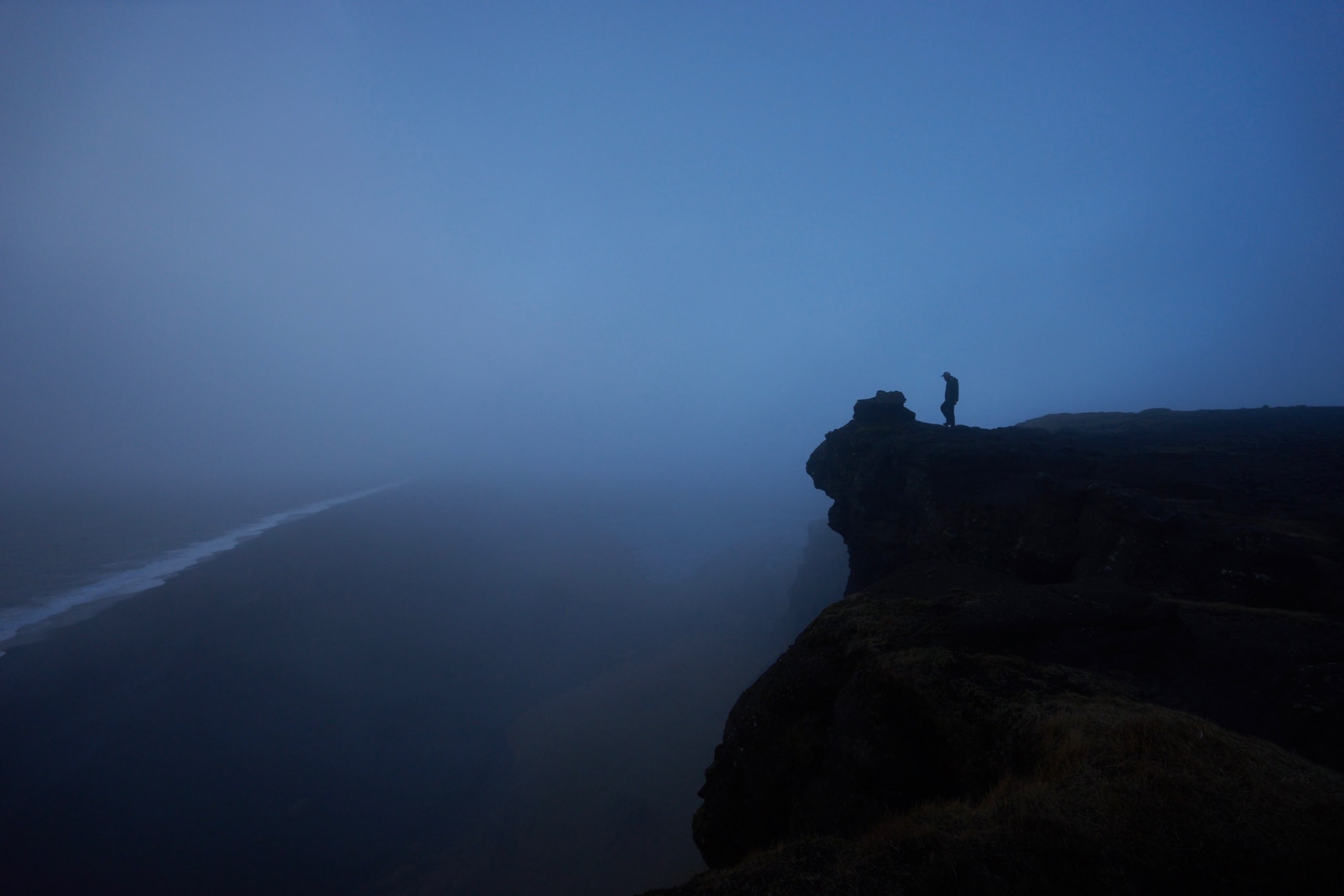
It’s quite easy to steel yourself against the steady tide of gloominess and negativity that relentlessly washes over our collective consciousness – thankfully, we’re not watching this withering water of foreboding pool around our feet on the shores of Normandy, but – bare with me – we are, in a sense, watching from afar on the proverbial cliffs of Dover.
It was real at that point, of course. The world had been embroiled in the most bitter, bloody fighting ever witnessed, and nations that had so far escaped the clutches of modern warfare were left reeling at the sheer killing power we had mastered, the brutality and callousness of war that left nothing and no-one untouched by its dark tendrils.
So imagine, for a second, what that would be like – imagine standing on, say, Omaha beach in the mid-afternoon of June 7th, the warm French sun (I’m not checking if it was overcast) beating down on countless bodies of people you can no longer recognise, save for the bloodied dog tags clinging to their necks, their blood slowly draining away into a rose-coloured English Channel.
Awful – but you could look up, past the shell craters, the bullet-cases, the mangled tank traps, up to the battered foliage surrounding the empty German bunkers – and you would see the beginning of the way forward to peace. You might not know it then – hell, you might step on a mine before you set foot on grass again – but for the majority of Europe at that point, Normandy was the beginning of the road to redemption.
Anyway, I digress, but the point is, we’re not standing there. We’re standing on the cliffs of Dover, remember? You can see the shoreline of Calais from the clifftops on a clear day, and – here it is – our current political situation feels a lot like staring across a vast expanse at the looming possibility of catastrophe.
While the citizens of Hong Kong struggle mightily for their freedom, the citizens of the United States fiercely debate ways to reduce the number of schoolchildren gunned down in their classrooms. While Britain grapples with the spectre of a no-deal Brexit, India and Pakistan are searching for ways to maintain national sovereignty over the Kashmir crisis. While China’s Uighur citizens spend their days wasting away in modern-day concentration camps, an American president gushes over the attention and demeanour of a North Korean dictator.
In the midst of all this chaos, the Doomsday Clock – which I wrote about a few years ago – sits doggedly at just two minutes to midnight. The world’s nuclear arsenal has not diminished by any great extent this century, and the giant shadow of nuclear war stands imposingly over the shoulder of military generals standing imposingly over giant topographical maps.
It’s hard to keep track, and it’s even harder to think about the fact that this period of “peace” (proxy wars awkwardly aside) is less than a century old, if you don’t count the Cold War. When you add it all together, we’re standing on the cliffs of Dover not because we enjoy the view, but because out there across the Channel is a dark and ominous storm cloud of uncertainty that we may very likely one day have to confront.
 TJDempsey