
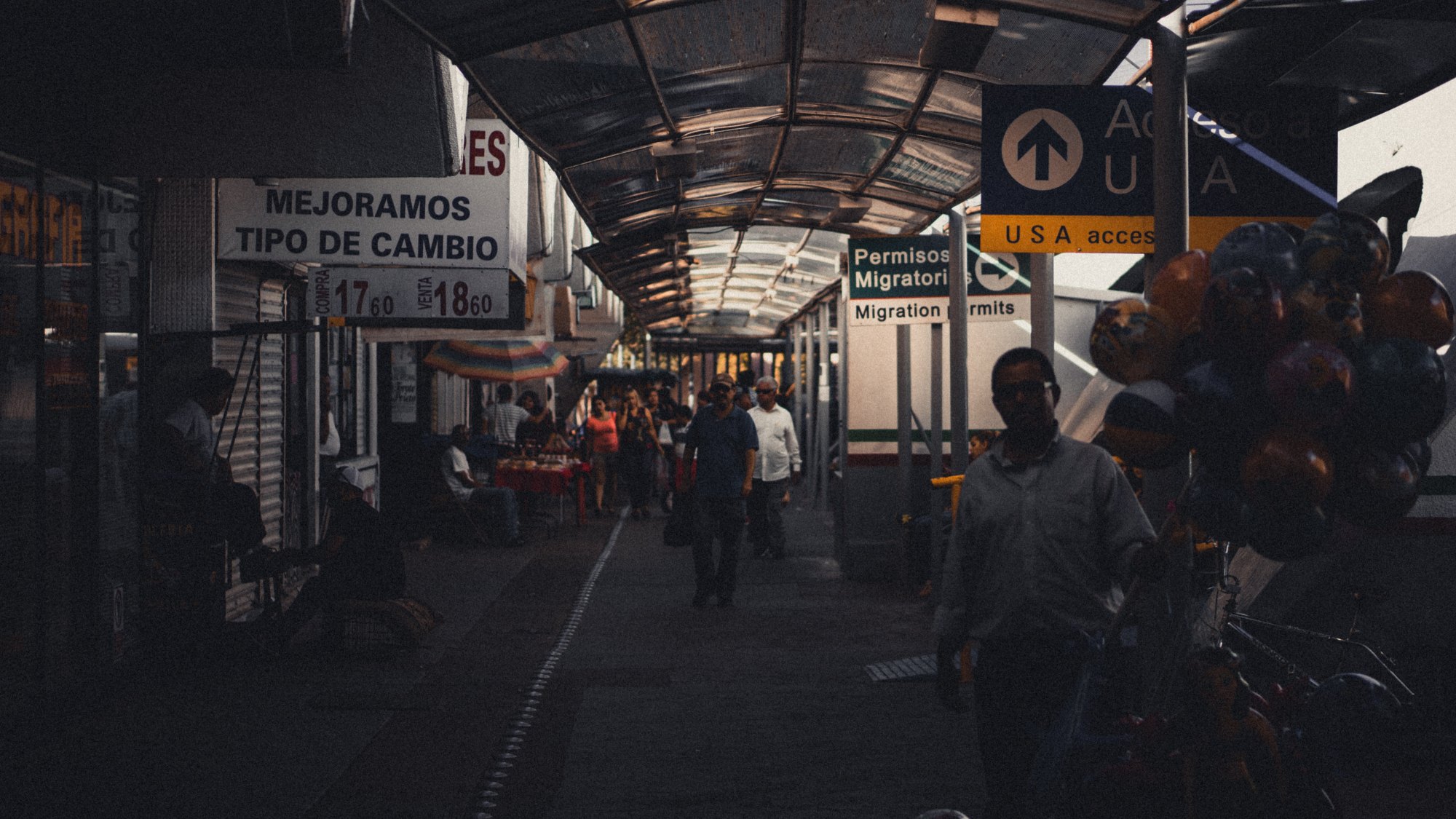
I’d like to approach a really interesting topic today, that’s generated a fierce level of debate in the US, and ties in more broadly with other similar debates around the world – immigration.
First, some context. There’s been a great deal of coverage lately regarding a large group of migrants (using the term for convenience right now) who are allegedly en-route to the US from countries like Honduras and Guatemala, with the intention of reaching the US-Mexico border to apply for some kind of asylum and/or residency in the US itself.
I’ve heard various numbers as to how many people are in this ‘caravan’ – according to the Conversation, this figure is at 7,000, which incidentally is the largest figure I’ve come across, but also the most frequently cited.
According to the same article, approximately 1,600 of these people have lodged asylum applications in Mexico, while the rest are continuing North towards America. This would most likely be a result of Mexico’s offer of asylum to caravan members, as described here by the BBC: Mexico has basically offered a path “towards a permanent solution for those who are granted refugee status in Mexico”, which potentially involves ID cards, medical care and schooling.
Now, Mexico’s own reputation for safety is dubious; but I was interested to know what this offer means in terms of UN-sanctioned obligations that the US now has in order to deal with the migrants that have chosen to continue over accepting Mexico’s offer.
I did some research – international law is pretty dry at the best of times, even for a scenario as interesting as this – and it turns out, there isn’t a law requiring asylum-seekers to apply for asylum in the first country they visit – at least not one that they can run afoul of as far as I know in the US. In Europe, they have an agreement known as the ‘Dublin Regulation’. As the NYTimes explains, if an asylum-seeker is known to have entered a certain EU country and/or applied for asylum there, then should they apply in another EU nation, that second nation can return the individual back to the original point of entry.
According to the UN Convention and Protocol relating to the status of refugees, then, the US should be processing the asylum claims of these migrants once they reach the US-border – but it is also somewhat understandable when their decision to continue on another 1,000 miles from Mexico to the US fails to convince certain US citizens of the desperation of their situation.
Strangely, rather than commit the required judicial resources surely necessary to cope with such a potential influx of legal claims, the Trump administration has opted to take a different, more politically-motivated approach by sending 5,200 military troops to the border, to demonstrate American resolve in the face of what they see as illegal immigration rather than asylum-seeking.
So if their movement is not illegal, and the desperation of their plight is at least questionable, what is the right answer from the White House? Two scenarios are equally unlikely: 1) that all asylum claims will be accepted, and 2) that American troops will actually use military force on the caravan.
The way forward lies with a robust, fair and transparent border policy, where those who are seeking asylum are able to lodge requests. As tough as it sounds, asylum-seeking is an act of desperation – this is what makes a state’s commitment to look after them so important, and America’s principles demand that she respect her obligations to the UN. At the same time, America must be fair to her own people, and ensure that if an asylum request is illegitimate, it is denied accordingly.
What is clear is that neither of these scenarios involve the indiscriminate opening of borders or the indiscriminate discharge of weapon systems. The world desperately needs more balanced approaches to policy issues, before this spiraling penchant for the extreme leads to irrecoverable ruin.
 TJDempsey